Mountain Climbing Safari Itineraries

  • Home
  • Mountain Climbing Safari Itineraries

MT. RWENZORI CLIMBING ADVENTURE -BUKURUNGU TRAIL (7-9 Days)

Cost (USD): $1374

Tour Code: ASL/UG/001R

Park Brief

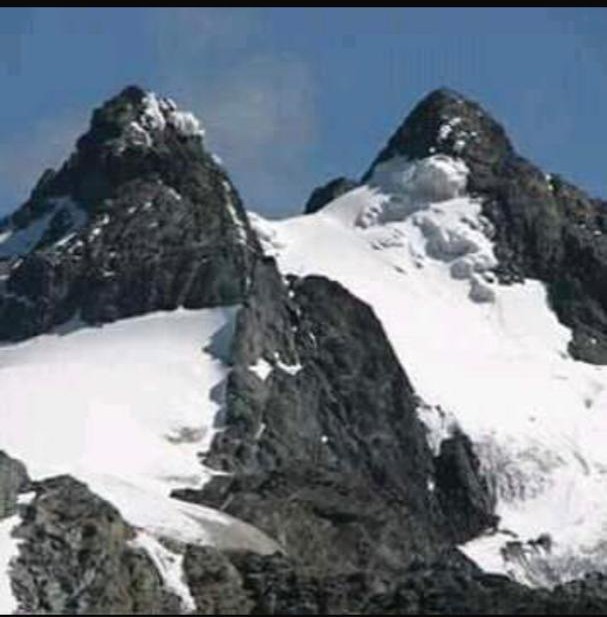
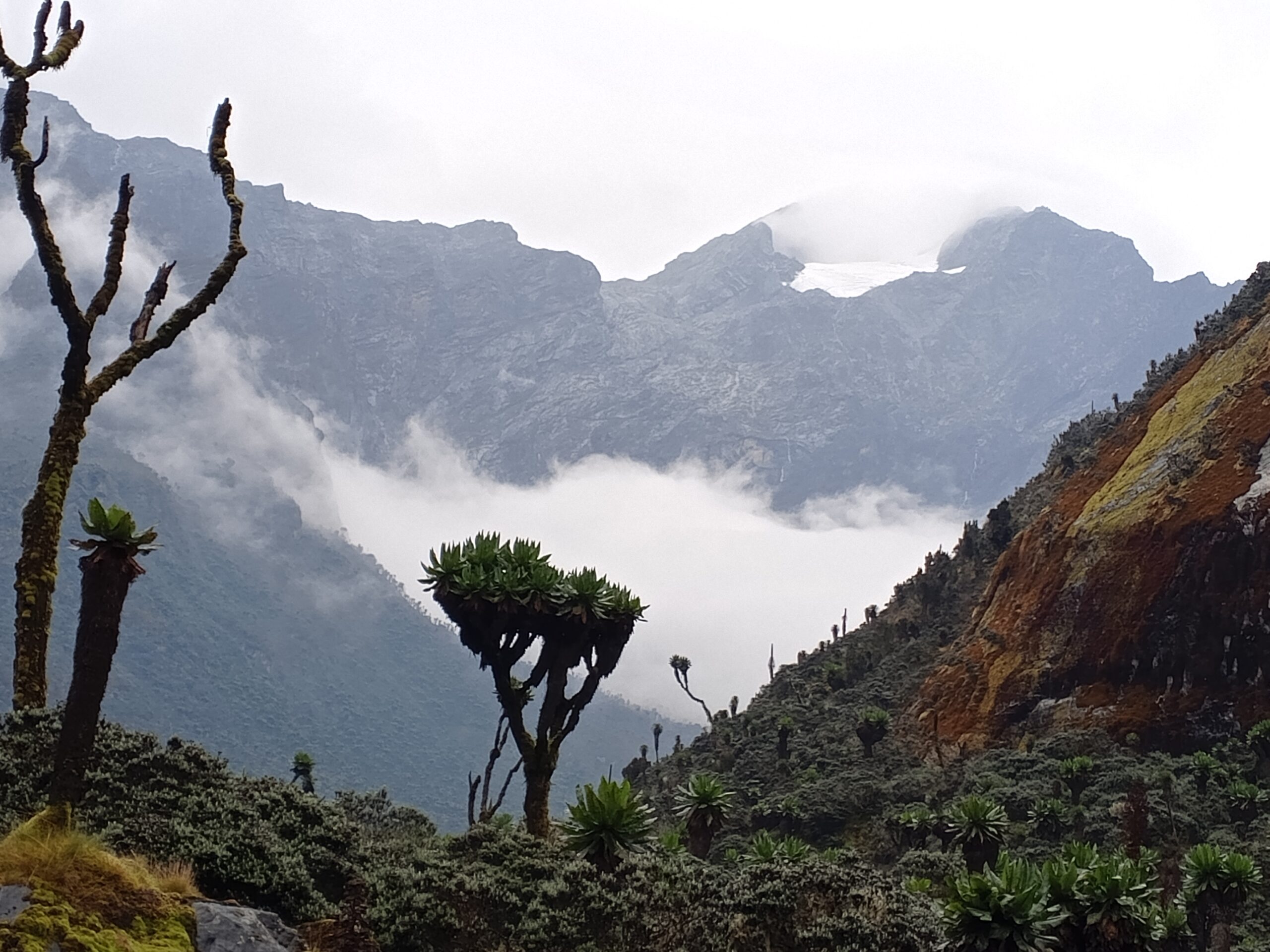
Rwenzori National Park was gazetted in 1991 and later recognized as a World Heritage site in 1994 as well as a Ramsar site in 2008. The park’s highest point at , the Margherita Peak is at 5,109m ASL on Mt Stanley’s just a few meter from DR. Congo boarder. And it protects the highest parts of the 120km-long and 65km-wide Rwenzori mountain range. Mt. Rwenzori is a block of rock up-faulted through the floor of the Western Rift Valley with Margherita peak as the highest peak in Uganda and 3rd in Africa. The peak has permanent snow which makes climbing it very interesting and it’s an origin of many glacial rivers, christened the “Mountains of the Moon” by the Alexandrine geographer Ptolemy in AD 150.

The explorer Henry Stanley placed the Rwenzori on the map on 24th May 1888. He labeled it ‘Ruwenzori’, a local name which he recorded as meaning “Rain-Maker” or “Cloud-King.” It’s one of the most famous park by many world mountain climbers. The oldest recorded person to reach Margherita Peak was Ms. Beryl Park aged 78 in 2010. These fabled mountains lie in western Uganda along the Uganda-Congo border and it’s characterized with a true representation of all the mountain zones geographically. The national park hosts 70 mammals including a number of non-habituated chimpanzees, 217 bird species including 19 Albertine Rift endemics, as well as some of the world’s rarest vegetation.

DETAILED ITINERARY

Introduction

This approximately 61 km trail starts from Kasanze park gate in Omukorukumi trading center and enables you to join the central circuit and then summit Magherita peak while going through almost all the vegetation zones of the park. It gives you a pleasant start by going through the Bakonjo/Banyangabo community with their interesting cultures.

DAY 1: START THE HIKE TO KASANZECAMP Approx. 2310MAL - Time: 5-6 hors

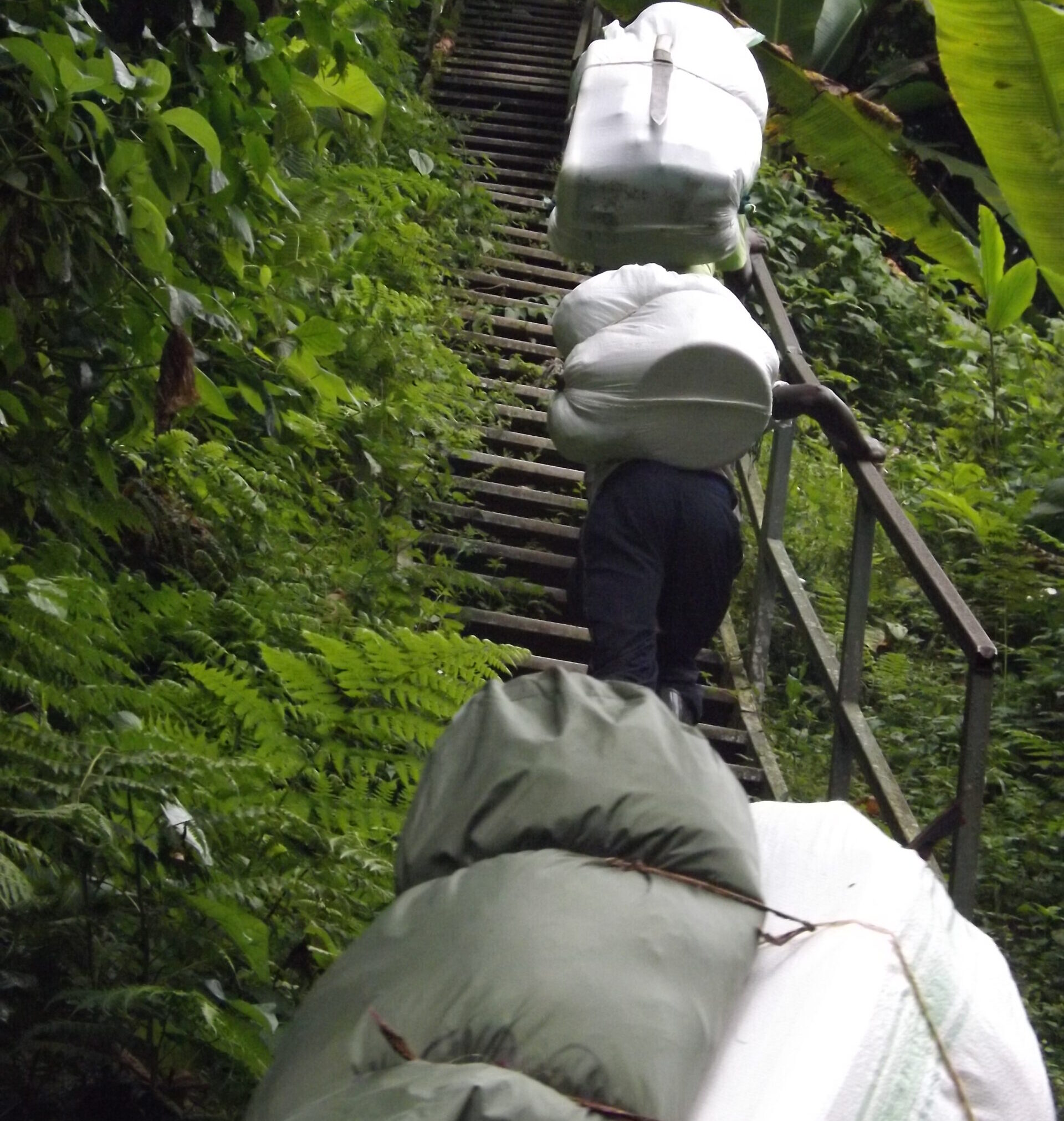
We guess you had a long travel the previous day from Kampala to Kasese, o today you will you wake up at 08:00 hours and have your breakfast before you drive to the Rwenzori mountains national Park gate for briefing and check your equipment. Thereafter drive to Mukorokimi, the starting point to the trail. It is from here that you will meet your guides and porters for the entire hike. This day you walk through Coffee plantations, homesteads, schools and interact with local Bakonzo people the inhabitants of the Rwenzori Mountains.

The trail bends to the west on the ridge overlooking the Kasuka and Isule valleys and onward to Kebitakuli. At a relative pace, hike through the montane rain forest overlooking bamboo forested valleys. You expect to encounter various interesting wildlife species from plants, birds, small mammals, rodents, insects among others. On a luck day, you will spot chimpanzee nests and droppings or hear their calls. The trail will lead you through the heather zone of the mountane vegetation and later in the evening you will reach Kasanze Camp for an overnight.

DAY 2: KAMBEHO       Approx. 3600MASL                Time 5-6 hrs.

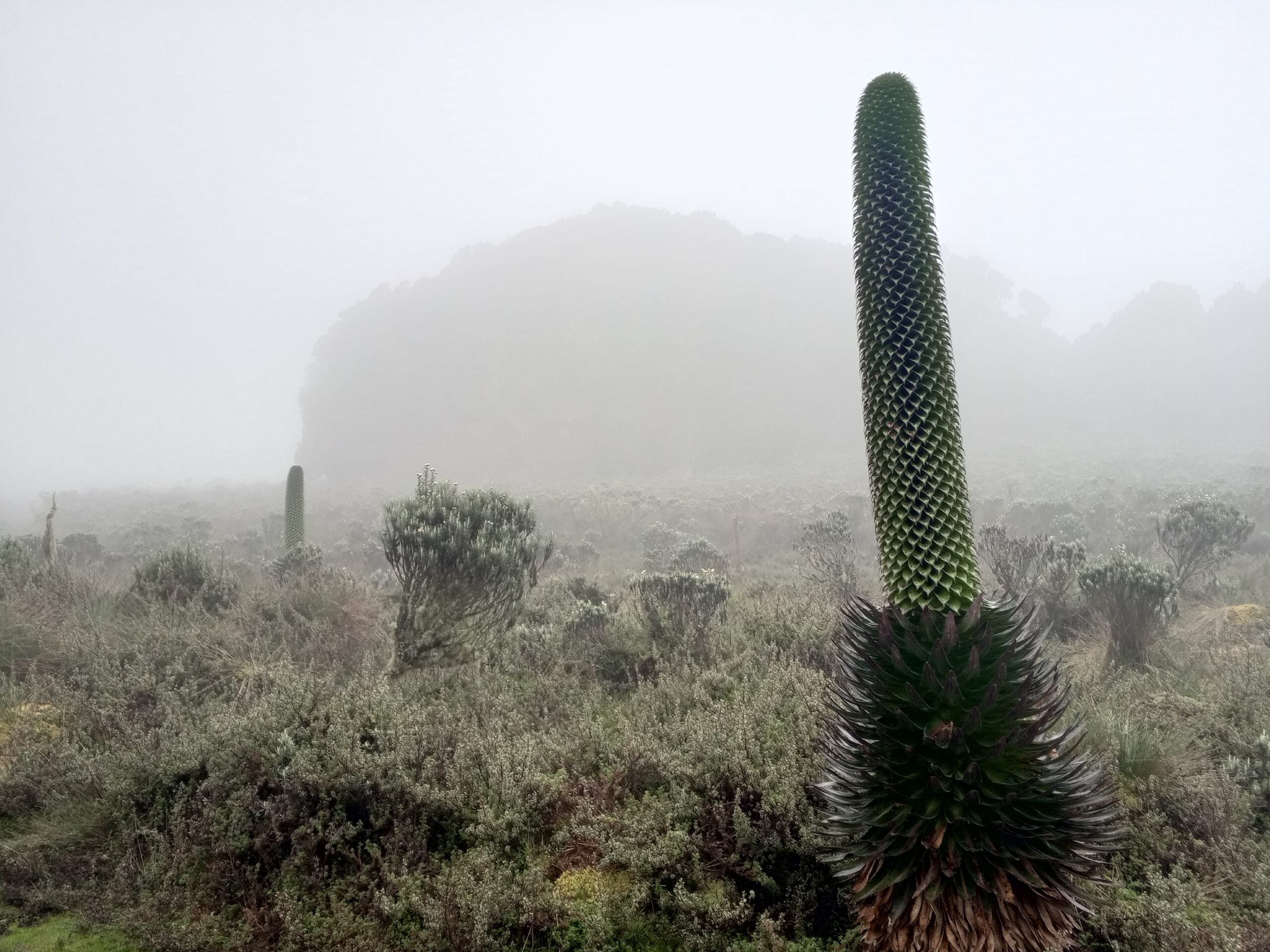
For vegetation lovers, this day marks the start of the very interesting experience. After breakfast, with your Lunch Box you start to ascend. The trail takes you through vegetation with lots of moss hanging over these trees appearing like beards. This the heather zone with a lots of heather trees, black berries, and many more plant species. While on trial you will be able to spot large groups of black and white Colobus monkeys, Velvet monkeys, sun birds, the Rwenzori turaco a rare beautiful bird in the park. For birders, it’s also a rewarding day, will spot and hear the calls of many shy and endemic bird species.  Also on this day you will start seeing many everlasting flowers, Giant lobelias, and rock shelters. Over-night stay at Kambeho Camp.

DAY3: LAMIA CAMP          Approx. 3750MASL)              Time 6-7hrs

After breakfast, with your Lunch Box, start with a climb along river Lhume, in the early morning hours of the day when still fresh and strong with urge to climb the only steep Mughuli bypass.

While on the trail, on a clear day, you will be able view some interesting peaks on both side. And as you approach Lake Lhume, you will start experience MTN alert signals, please take some time and briefly communicate to your family and friends. The beautiful vegetation around and near the Lake, Also supports the survival of different animals like the Rwenzori red duiker, tree hyrax, wild pigs among others you might come across while still in this region. When at or around the camp, you can ask you guide to help you explore the water falls. 

DAY 4; LAMIA TO BIGO CAMP     Approx. 3442M ASL     Time   7-8 hrs

This seems to be a long day of walking, fortunately does involve a lot of hiking. However you must be prepared for some mud spot in places without walking bridges. This is the day you will join the central circuit and this camp is set in the heart of the two mountains of the Portal Peaks and Mount Gessi. It is a relaxing point to acclimatize for those interested in climbing the Portal Peaks and Mount Gessi. The trail takes you through a very gentle crossing passing the vegetation of   several giant lobelia species and the wonderful and unknown leaf looking like human palm.  . The temperature here changing more to negatives, so update your guide in case of any required step about your health for the next day. On this day if the weather is clear, your eyes and hands on the camera will have peaks of Vittorio Emanuela on Mount Speke, Kihuma on the Portal Peaks and Mt Gessi at glance? You will cross various rivers/streams and many peaks, but towards the end, you will join the central circuit at the walking bridge, take right and continue to Bigo rock shelter. For an overnight stay.

DAY 5: BIGO TO IRENE CAMP                                   Time 5-6 hrs

From Bigo, very early in the morning we shall set off for a very challenging but interesting walk. You will continue witnessing changes in body temperature and height. Before sleep, the guide will check your hiking gears and temperature and brief you more about summiting Magherita the following morning.  Depending on your energy and speed, you may have you lunch at Omuhembe Camp. While heRE, on a clear day or evening we shall be able to see all the three most important peaks of the journey that is Magherita, Speak and Baker. Also on a clear evening you will be able to see Magherita glaciers. Then proceed to Lake Irene, where time and temperatures permits, ask the guide for a 5 minute swim in this lake. Thereafter, briefly continue to the camp for an overnight stay. Equipment checkup and a brief training on how to do it better while at the peak, will be done by the guide before sleep.

Day6. Summiting and Back to Nyabitaba Camp                                                  (7-8hrs)

At around 3 am or 4 am, (depending on your energy and pace as per your guide), you will start summiting, you will go through glaciers and your guide will help you to fix your hiking gears. It will take you around 2hrs (at around 5-6am) to reach the Magherita peak. You will be  asked/guided to use your  ice climbing gears and hike through the glaciers (After reaching the Magherita peak, it will take you between 10 - 20 minutes of jubilations and photo taking and then start sloping down before strong sun reflections from ice starts to disturb your sight.  Then you will walk down to Omuhembe camp for coffee and hot Breakfast/lunch before descending to Nyabitaba camp. The trail has many resting points you will use as your guide will decide. An overnight stay at Nyabitaba camp.

DAY 7:  NYABITABA HUT TO NYAKALENJIJO                         Time 6-7 hrs

Early morning after breakfast gently walk down to Nyakalenjijo. Lunch may be on the way or at your next accommodation depending on your pace (The guide and chef can make this arrangement while still sloping down). At resting/lunch point ask the guide for any possibility of spotting a Rwenzori three horned chameleon around. Descend further; you will pass through a mountain forest with very green trees and plants. The sound from strong flowing glacial rivers like Nyamwamba, Bujuku, mubuku mention it, makes this trail very charming throughout.

On checking out, you will receive your certificates that congratulates upon your successful hike to the Margherita peak from Uganda wildlife Authority (UWA) officials.  Thereafter, transfer to your next destination       

Note: Time is approximate, it can be less or more depending on your pace and even the weather of the day.

TRIP HIGHLIGHTS

  • The Bukurungu trail is wilder and very adventurous.
  • Summiting the Margarita Peak (5109) 3rd highest in Africa.
  • Conquering the ‘Mountain of the Moon’.
  • Great scenery of a true montane Vegetation throughout.
  • Permanent glacier experience
  • Trekking through the Valley of Nine lakes
  • High chances of spotting endangered, Bird, retiles, Mammals & plant species.
  • Many Glacial lakes and water falls
  • Excellent expeditious hiking experience.

Key to the Cost

  • Ground Handling Cost (USD) =$1374 per person
  • Cost Inclusions and Exclusions. This cost Includes,Park entrance & camping gears & fees, Professional mountain guides & porters, Full board meals on the mountain, Ground transport, Tents & cooking equipment, Bottled water & first Aid support. But excludes, Personal climbing gears, Tips and personal expenses, Alcoholic beverages and Travel insurance.

Dates

  • Available throughout the year, but better between November to April and between June to September.

***We wish you a Memorable Adventure***

Mt. ELGON   CLIMBING ADVENTURE -BUSHIYI TRAIL EXPERIENCE (5–7 Days]

Cost (USD) = $1025 Per Person

Tour CODE:     ASL/UG/002E

Park Brief:

Mt. Elgon National Park is famous for being the edifice of the highest peak of Mt. Elgon. It’s an extinct shield volcano on the border of Uganda and Kenya which forms part of park.  The park was gazetted in 1992, and covers an approximate area of 1110 sqkm. MENP is a UNESCO declared Man & Biosphere Reserve and is one of Uganda’s oldest physical features which first erupted around 24 million years ago. Mt. Elgon is shared with Kenya and at 4,000km², it has the largest volcanic base in the world, it is also the oldest and largest solitary, volcanic mountain in East Africa. Its vast form, 80km in diameter, rises more than 3,000m above the surrounding plains.

The mountain’s cool heights offer respite from the hot plains below, with the higher altitudes providing a refuge for flora and fauna. Mt Elgon was once Africa’s highest mountain, far exceeding Kilimanjaro’s current 5,895m, but Millennia of erosion have reduced its height to 4,321m (Wagagi Peak) relegating making it to the 4th highest peak in East Africa and 8thon the continent. The Park has a less documented long Tutum cave expected to be reaching Kenya.

This park is gifted with Mammals, and plants, over 300 bird species including the endangered Lammergeyer. While hiking the most common species include but not limited to; blue monkeys and black and white colobus, Duiker and bush bucks. Also a small number of Elephants are residents of forests. Mt Elgon is home to three tribes Bagisu, Sabiny and the marginalized Ndorobes who forcibly dwell deep within the forest of Benet. The Bagisu tribe still practice traditional male circumcision every even year, a ritual that introduces young male to manhood. The Bagisu (BaMasaba), consider Mount Elgon to be the embodiment of their founding father Masaba and refer to the mountain by this name. Through this park, when prearranged, you're able to reach the “champions’ Village” (Where most world athletic champions originate from. such Joshua cheptegei, Kiprop, Kiplimo among others.

This trip takes a maximum of 6 days of total hiking to the top and descending to the starting point for average climber. But we need a day before for preparing our team and another after the hike to relax the body hence a 6 to 7 days adventure.During the year of IMBALU (even year), the festival experience gives this trip a very rewarding experience

DETAILED ITINERARY

Introduction

The Bushiyi Trail in Mount Elgon National Park is a scenic alternative to the traditional Sasa Trail. It offers a stunning adventure through diverse landscapes, bamboo forests, moorlands, and rocky summits. While experienced hikers can complete it in 4–6 days, we advise our visitors to do it in a span of 8–10 days. It begins near Bushiyi Village (Mbale District) on the eastern slopes of Mt. Elgon and connects to Wagagai Peak, before descending via the Sipi Trail to Kapkwai/Sipi Falls. It’s gentler than Sasa, offers spectacular views of the Sironko Valley, and passes through authentic local communities. For an excellent exploration and more adventurous tourist, a 10 days expeditious adventure on Mt. Elgon is also possible.

Day 1: Kampala     to   Bududa or Mbale              (5–7 hrs]

After early breakfast, your adventure begins with leaving Kampala Capital City and head. On our way, we will have a stopover at Mabira Forest, where hikers enjoy a walk through this beautiful forest, with different primates, birds and butterflies. Thereafter we shall visit the source of the mighty river Nile. Then after Lunch, we shall continue to Mbale, pass through Mbale town, a charming town at the foot of Mount Elgon. This area is full of the rich Bagisu heritage and fascinating culture. We shall then continue and ass through Bugema, Nabumali Bubulo and reach Bududa in the evening. Then we shall have briefing with our hiking team for better preparations for the next hiking day. Night and overnight stay in Bududa or Mbale City.

Day 2. Start hiking from Bushiyi to Shilokho Camp

In the morning after early morning breakfast, we shall head to the starting point of the trail. It’s at this point we shall meet, greet and interact with all members of the hiking team especially the porters, cook or chef, rangers guide among others. After sorting and allocating our luggage’s and bags to respective porters, we shall be guided by the head guide and the rangers and this makes the start of our hiking. We shall go through the community farmlands and quickly into the lower montane forest. This hike offers beautiful scenery, with chances to spot various wildlife species en route.  Being your first day, we shall move at a moderate pace and then gradually ascend to the bamboo zone.  This is a special highland Bamboo species zone which is edible and a delicacy staple food or vegetable which the park highly protect from the Local Bagisu community.

Day 3: Shilokho Camp to Dubi Camp                   (6–8 hours]

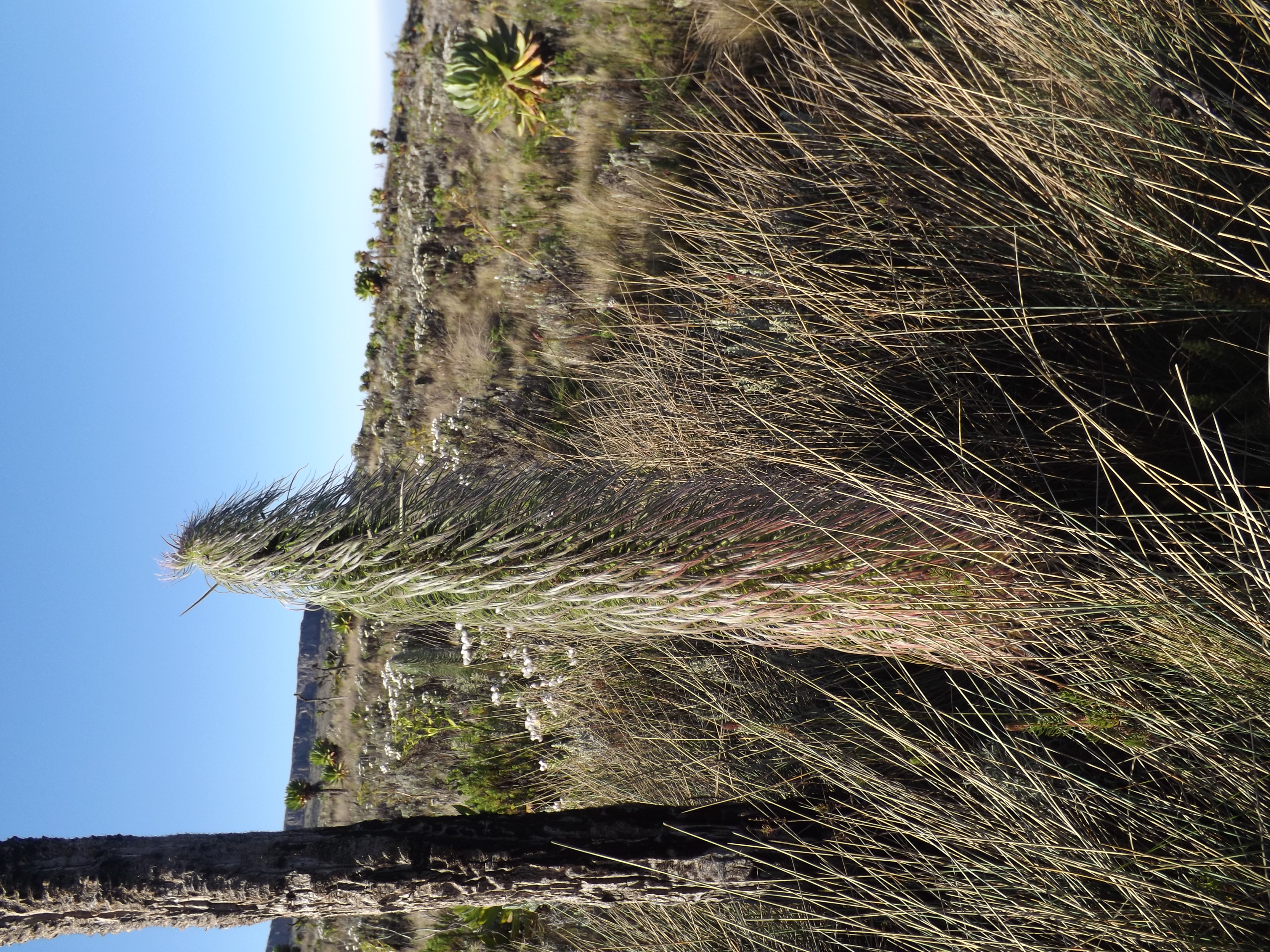
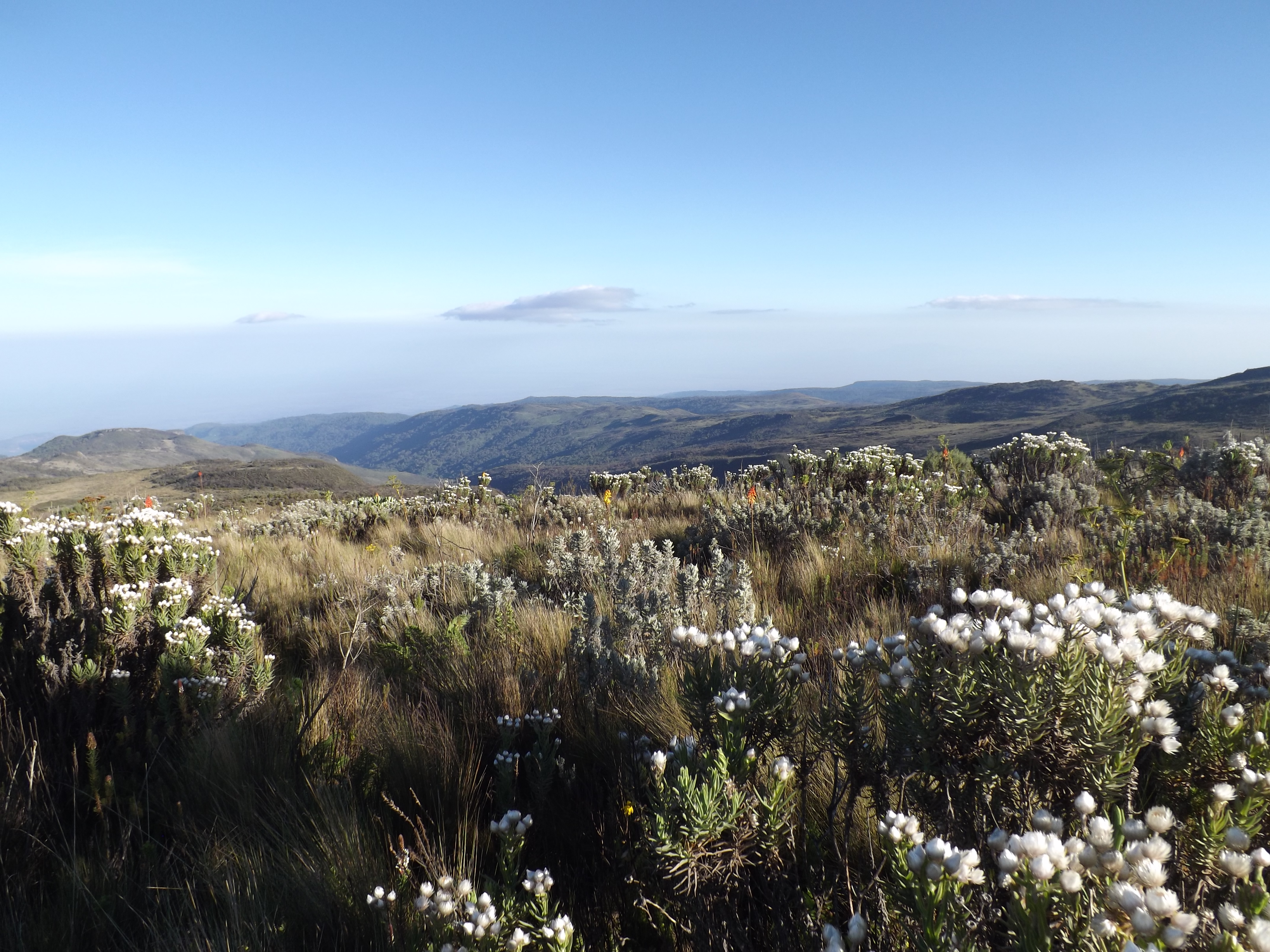
After early morning breakfast, you’ll continue your ascending to Dubi Camp. This part of the trail takes you deeper into the montane forest and heath zones. There’s a lot plant science and geography to learn from our guide. As you will start experiencing the change in the altitude as the air becomes cooler as you ascend.   Continue ascending through montane forest and giant lobelia vegetation zones. Cross rivers and ridge lines that offer clear views of the vast Elgon Caldera rim. The great topological views here, will enable you enjoy   giant groundsels, dramatic landscapes and other high altitude wildlife along the way. We expect to reach early evening depending on your pace. Thereafter, we shall do a final check and   preparation for summit attempt the next day. Here our guide will professionally advise on health and physical requirement since we shall be at a higher altitude.

Day 4: Dubi Camp to Wagagai Peak and Siyo Valley Camp

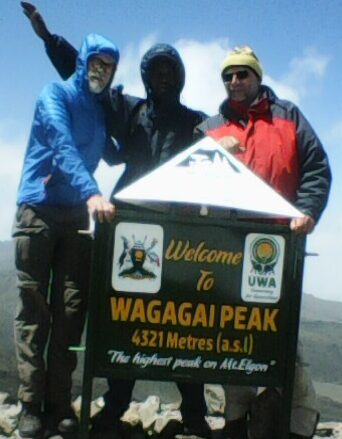
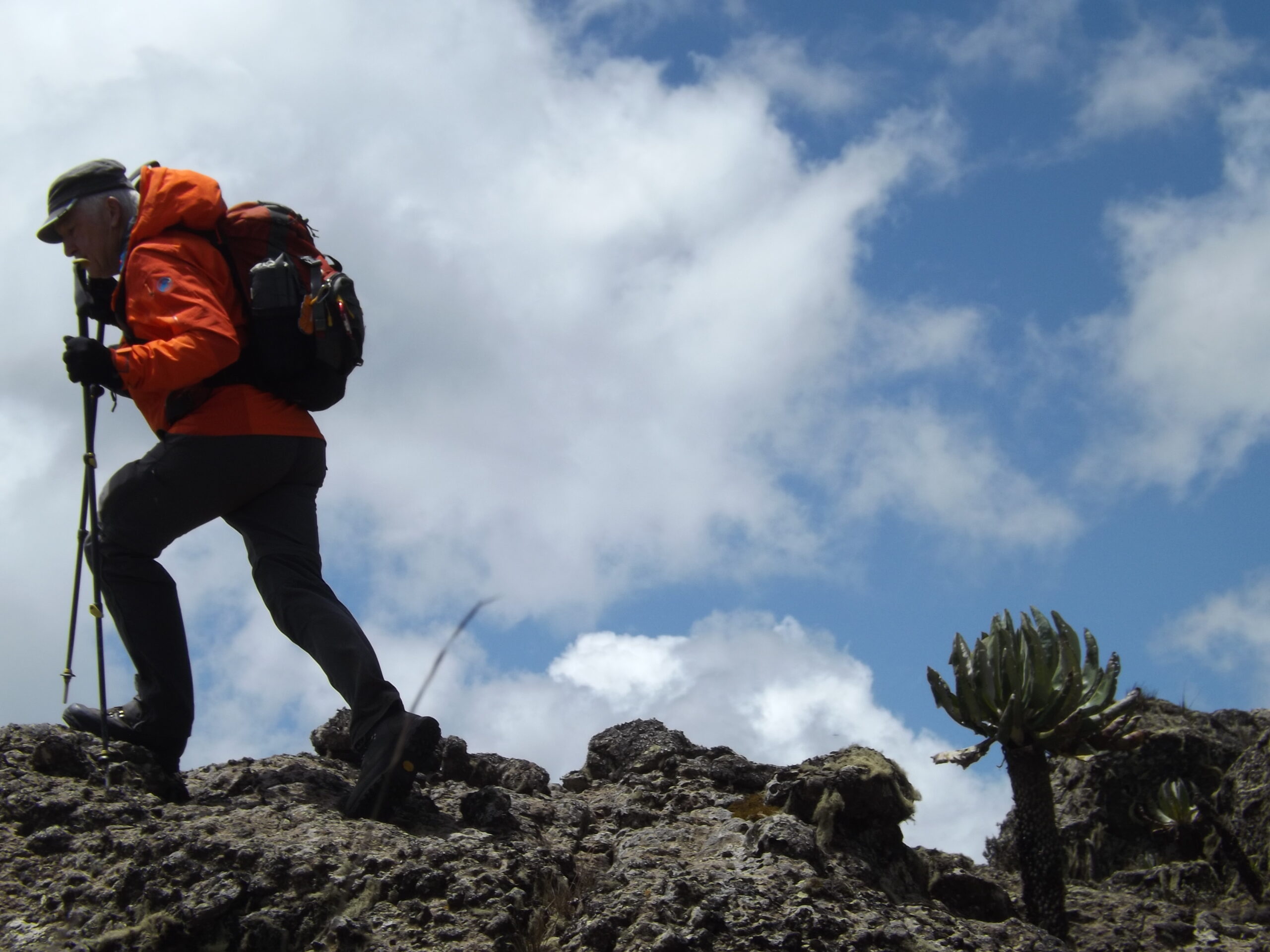
This is the day you will be enjoying the highlight of your adventure safari. It may be challenging but a rewarding day of the trek. Our main interest here is to summit to the Wagagi peak, Mount Elgon’s highest point at 4,321 meters above sea level. The hike from Dubi Camp (the base camp] to the summit takes about 4–5 hours, passing through moorland and rocky sections. Summiting becomes more interesting every after a short while, at a distance you start seeing the Jackson’s peak and pool.  This summit still rewards you with an excellent panoramic view of the craters, the surrounding peaks and on a clear day, even parts of Kenya are visible. Depending on the arrangement of our chef and the guide, on a good day you may sit and sip a cup of coffee or tea at this windy point.  After celebrating for having conquered this historical volcano peak, you will descend to Siyo cave for resting and overnight stay at the Camp.

Day 5. Siyo Valley Camp to Kajeri Camp                     (8 – 9hrs]

After breakfast, continue descending the Sipi Trail, crossing moorland with stunning views of the Kapchorwa plains. This long but gently sloping kind of trail is very interesting and our guide will have alot to explain about nature.  It takes briefly again through the heath and the Moorland. The altitude gets to 4000 meters above sea level and within the Caldera rim. At a certain point, you will see the Kajeri Valley, Dirigana falls, Sipi River, Muyembe Valley, Mubiyi Peak, and rock Sculptures, world cup-shaped rock, plants like the Senecio, Lobelia Elgonesis, Mimosa mimosa (Forget me not], Ladles mantle among others , then you will arrive at Kajeri Camp late evening.

Day 6. Kajeri Camp to Tutum Camp

Today, be ready for gently sloping 17km walk which will take about 5 to 6 hours. You will walk through a mixed bamboo forest zone. On a lucky day, you will be able to see various wildlife species like the endangered black and white colobus money, Duiker among others. For a birder, it’s going to be a very interesting day for you. A lot of bird species will be seen or heard by calls until your reach Tutum Camp in the evening. It is believed that, Tutum cave connects Uganda to Kenya (Tutum & Kitum). Dinner and overnight Tutum cave Camp.

Day7. Tutum Camp to Kapkwai Gate             (4– 5hrs]

In the morning after breakfast, continue descending through the bamboo forest then to mixed montane forest, a dense forest with species of Podocarpus and remnants of Anigeria species. Towards the end, you will find Chebonet Falls, Kapkwai cave, Wiri ridge viewpoint. Other wildlife species you may encounter include but not limited to, Baboons, monkeys, fruit bats, Kajeri waterfalls, Kajeri valley, bushbucks, duikers, and a variety of countless bird species as you move close to Kapkwai Forest Exploration Centre.  You will meet your driver at the trailhead and transfer to Sipi Falls or an optional hike to the three-tiered Sipi Falls, Coffee and community tour before heading back to Kampala. Expect to reach Kampala late evening.

TRIP HIGHLIGHTS

  • Less crowded Bushiyi Trail with authentic cultural encounters.
  • Summit the majestic Wagagai Peak (4,321m).
  • Traverse the world’s largest mountain caldera.
  • Descend via Sipi Trail to the famous Sipi Falls.
  • Rich birdlife, bamboo forest, and unique alpine flora.

Key to the Cost

  • Ground Handling Cost (USD) =$1025 per person
  • Cost Inclusions and Exclusions. This cost Includes,Park entrance & camping gears & fees, Professional mountain guides & porters, Full board meals on the mountain, Ground transport, Tents & cooking equipment, Bottled water & first Aid support. But excludes, Personal climbing gears, Tips and personal expenses, Alcoholic beverages and Travel insurance.

Dates

  • Available throughout the year, but better between December to early March as well as between June & July.

****We wish you a Memorable Adventure***